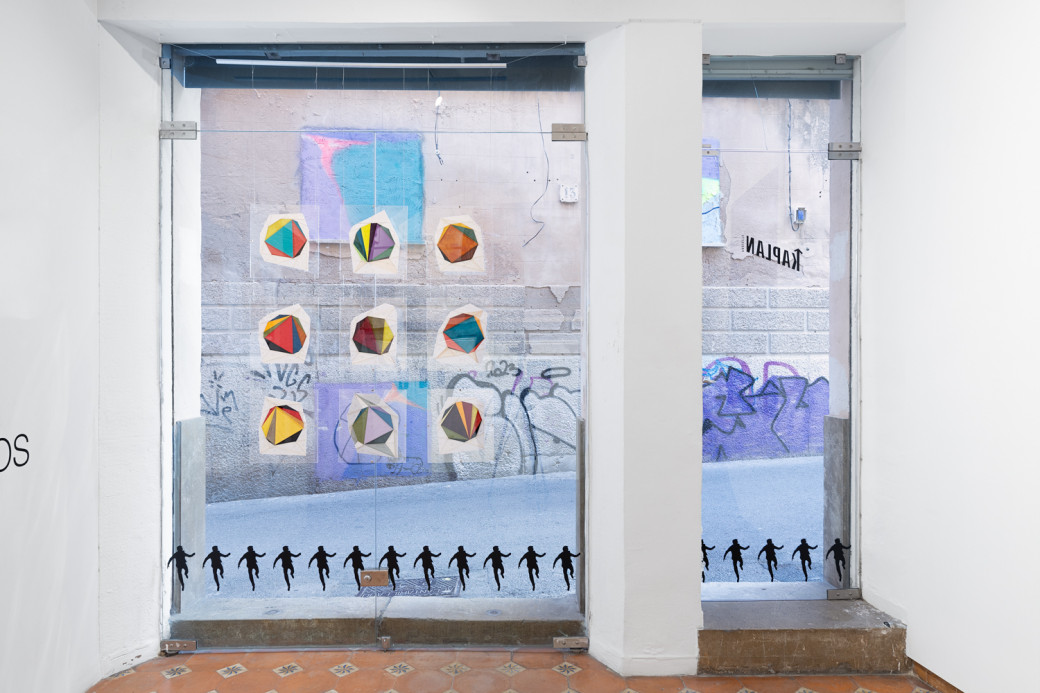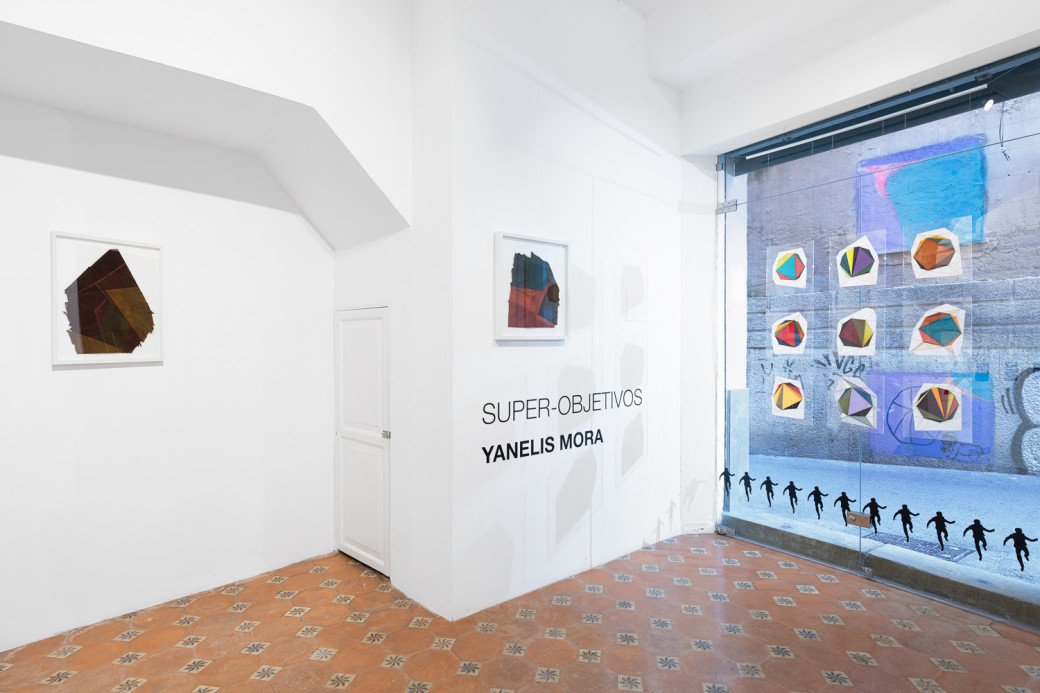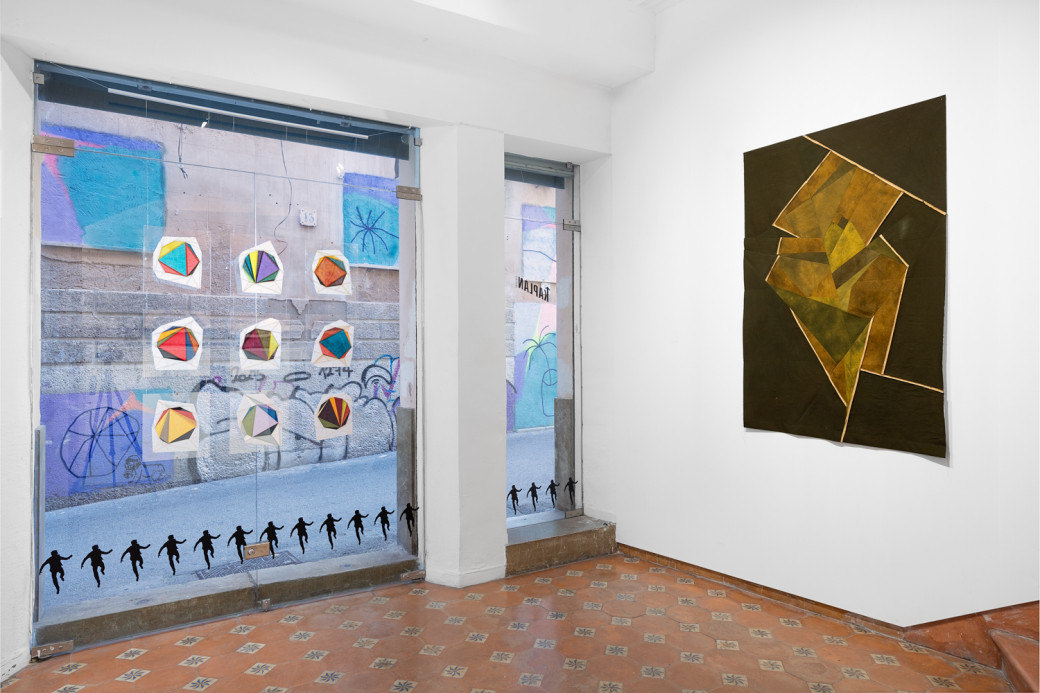
Super-objetivos
Kaplan Projects
March 2024
(Def.: The “Super-Objective” is the primary goal that the character wants to achieve. It influences and guides the character’s actions throughout the entire course of the story.)
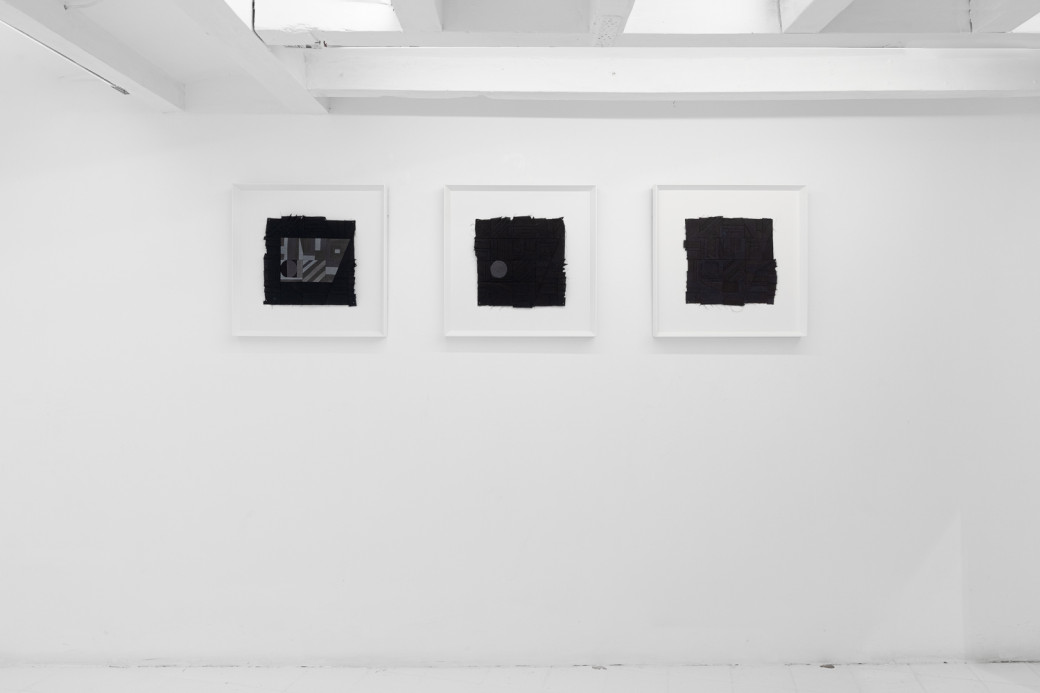
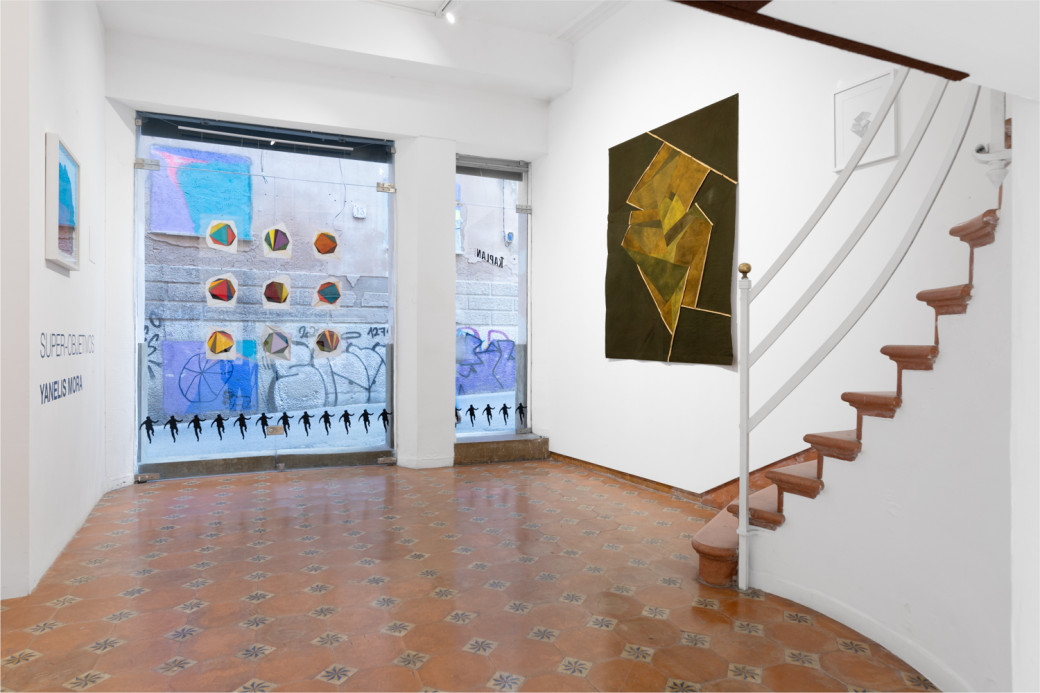
Every textile of Yanelis Mora is a little piece of her thoughts, her anxieties, or her joys. It is her personal mental landscape, in colours and lines and shapes, very touchable, real and oozing authenticity.
Yanelis Mora comes from the world of dramatic arts. Already skilled in the making of costumes, puppets and scenographic elements, she has chosen textile as her way of expression in the visual arts.
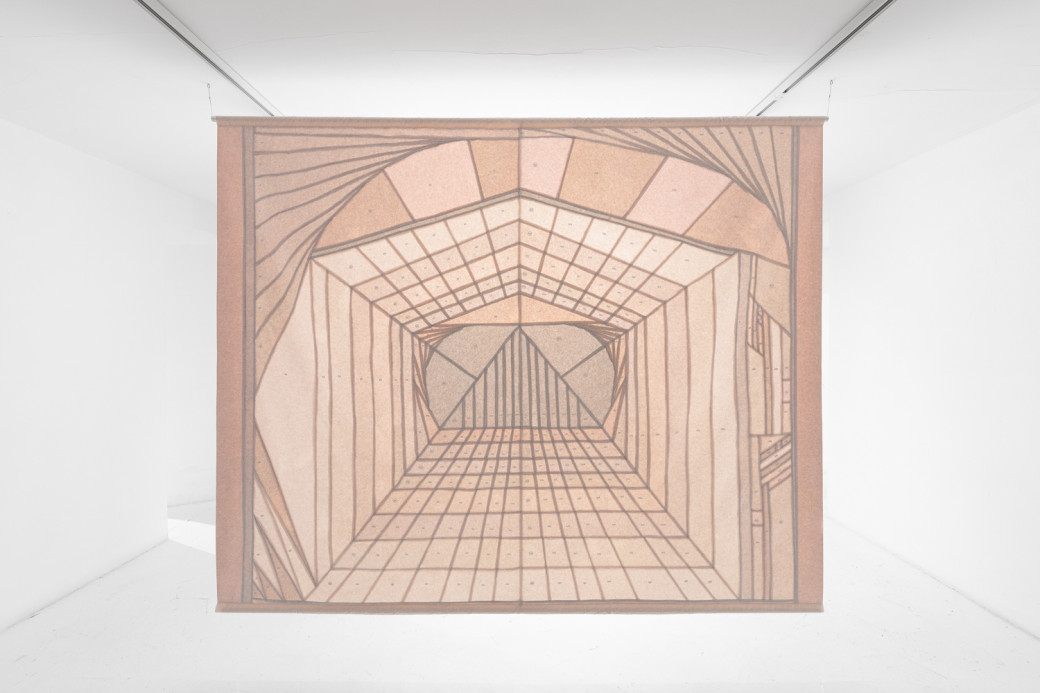
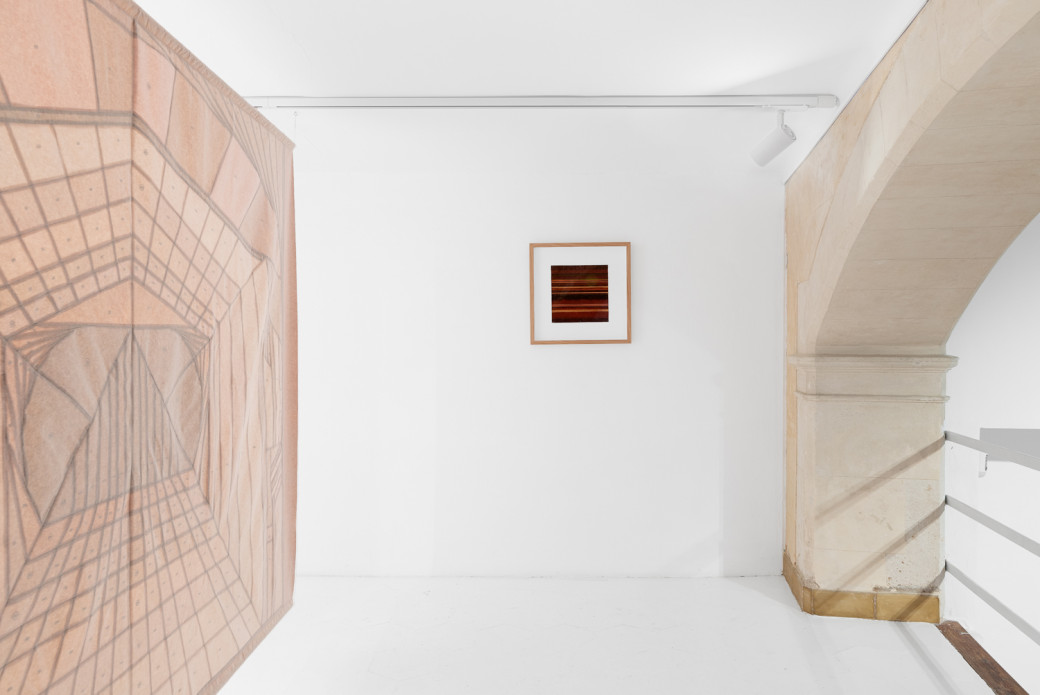
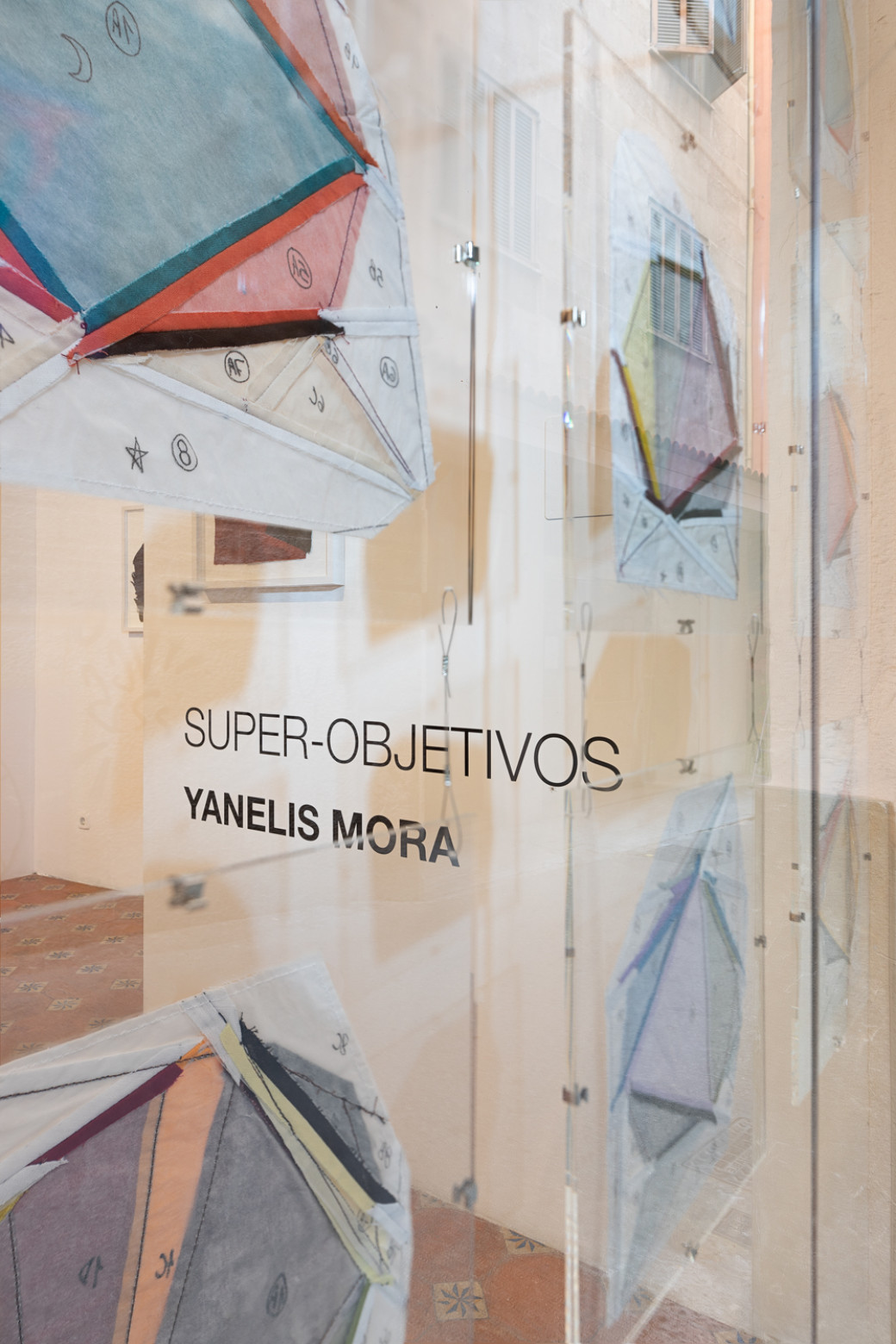
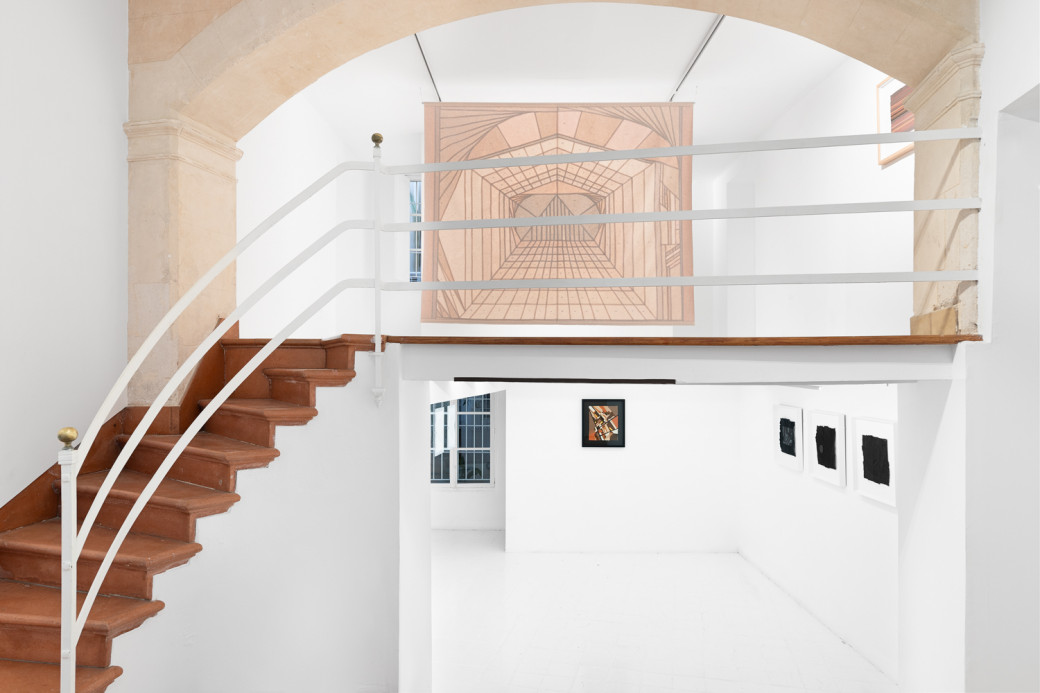
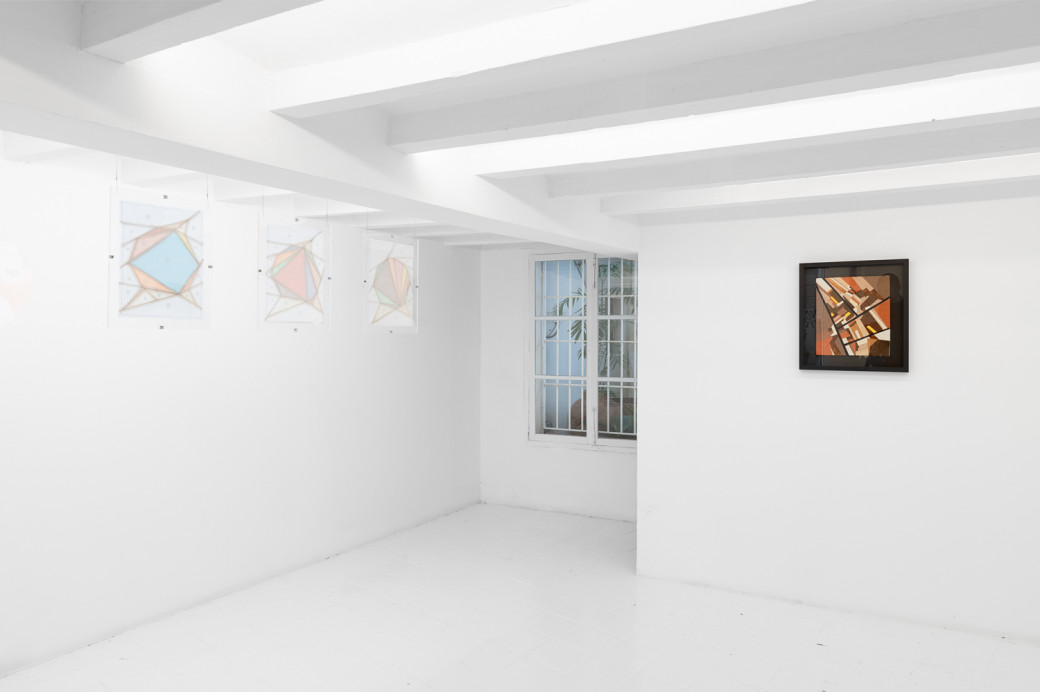
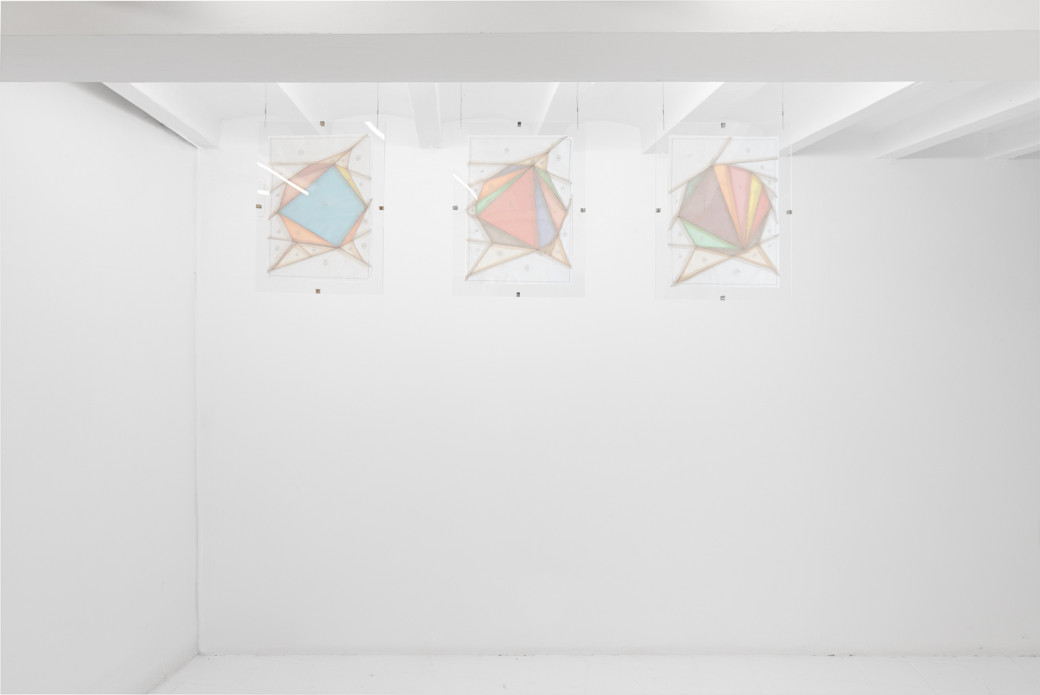
After moving to Spain in 2019, leaving her all-encompassing "safe” acting surroundings in Cuba and feeling lost in a new city, her survival instinct awakened in her another way of doing, of creating. Yanelis taught herself the quilting technique of Foundation Paper Piecing (FPP). This beautiful but complicated technique gave her access to an unlimited amount of patterns and colours, but at the same time a very clear structure of almost mathematical precision. It starts with an image that is transformed into a drawing that she then deconstructs and constructs until it becomes the base pattern that will be used for the textile. In a way each textile is built up like a character in a play.
"I chose this method (FPP) because behind its simple appearance hides a universe of lines and numbers and very complex and beautiful patterns that implicitly have an order and a meaning. It’s a way to understand and externalise my unconscious. I build each work with a thought process that is very similar to the one I develop when searching for a character. That is why I see each of my textiles, small or large, as living bodies loaded with their own history and identity, with a Super Objective, a climax and an outcome.”
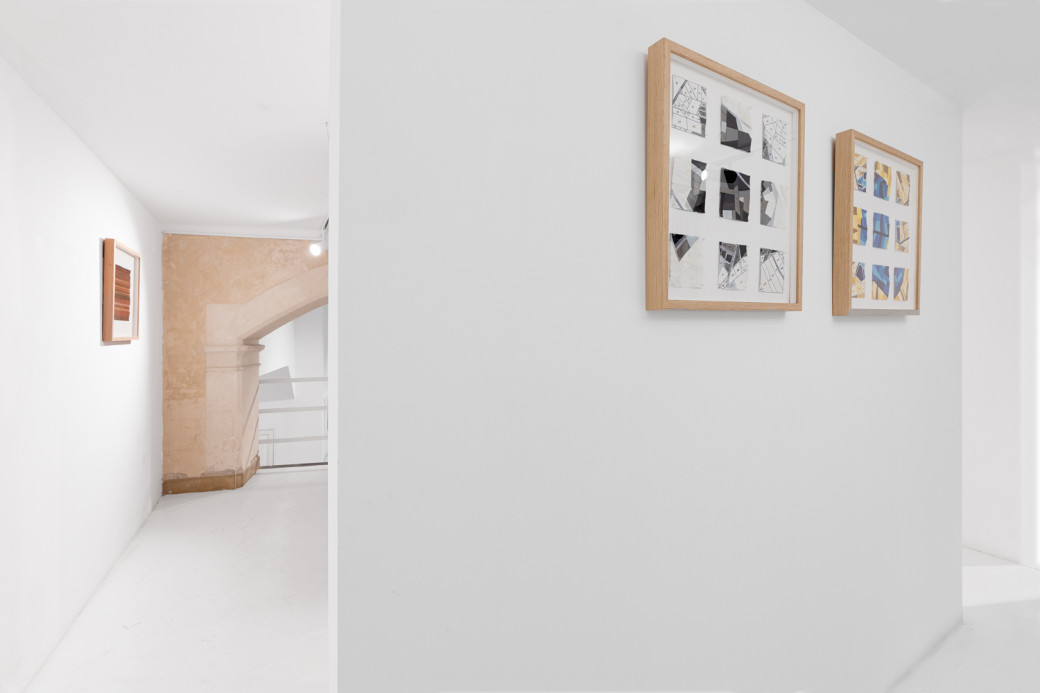
In Madrid she started to convert her first drawings into colourful textiles, which were inspired by aerial views of maps,; a map is a guide, something to hold on to when you are lost in a big new city, giving direction and comfort.
Yanelis spend the “covid” years further exploring the technique of Foundation Paper Piecing. Being locked down for long periods in her apartment, her sometimes anxious self now sought for the soothing elements of nature. Next to the “Mapas" that she created by studying google earth, she felt drawn to the beauty of nature and choose flowers and birds as a source of inspiration.
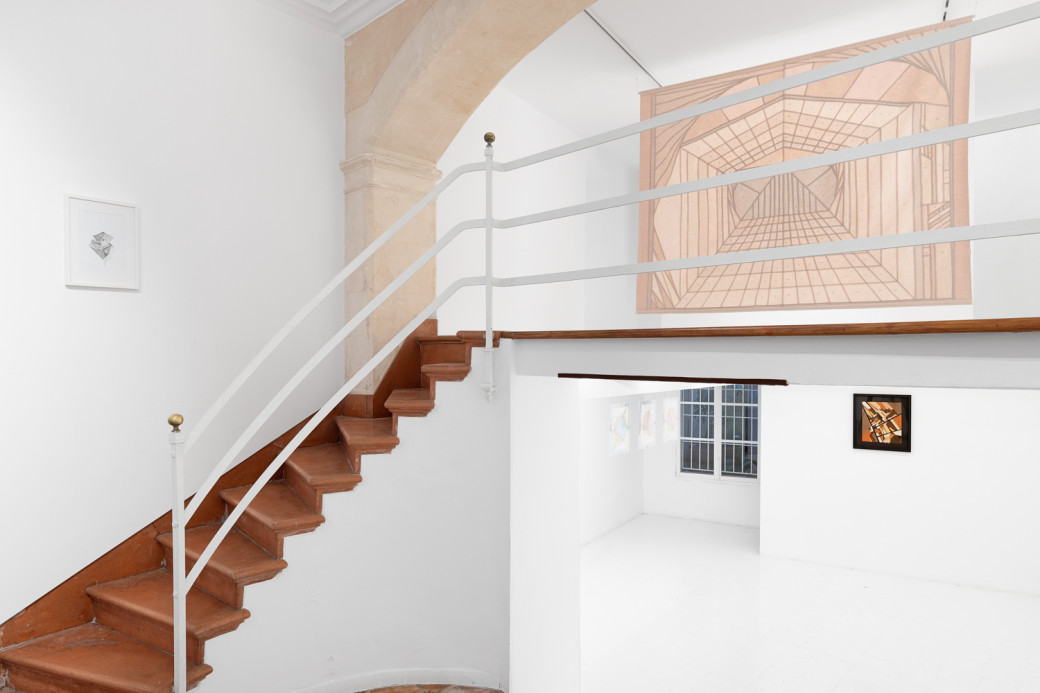
"Many of my early works were inspired by aerial views of maps. Today they are more than that, they combine geographies of nature, with architectural elements, and classic patchwork patterns, resulting in an abstract geometry that is the best way I have found to express myself"
Choosing for and moving towards abstraction was a logical step for Yanelis. She compares it with improvisation in the theatre. Actors in a play are bound to a script, but by letting go of the script and improvising they (re)act to the other actors or circumstances on stage. Improvisation is perhaps the purest form of acting and based on impulse and being in the moment. The process of freeing oneself of the boundaries of a script is for Yanelis comparable to liberating herself from the figurative image.
"An improvisation is the closest thing to the process I’m going through right now. As far as I know, abstraction is a representation of the essence of phenomena and things. Abstraction is able to talk to us about what figuration often fails to communicate to us and particularly for me it is a high synthesis of the purity of the deepest part of consciousness and spirit”.
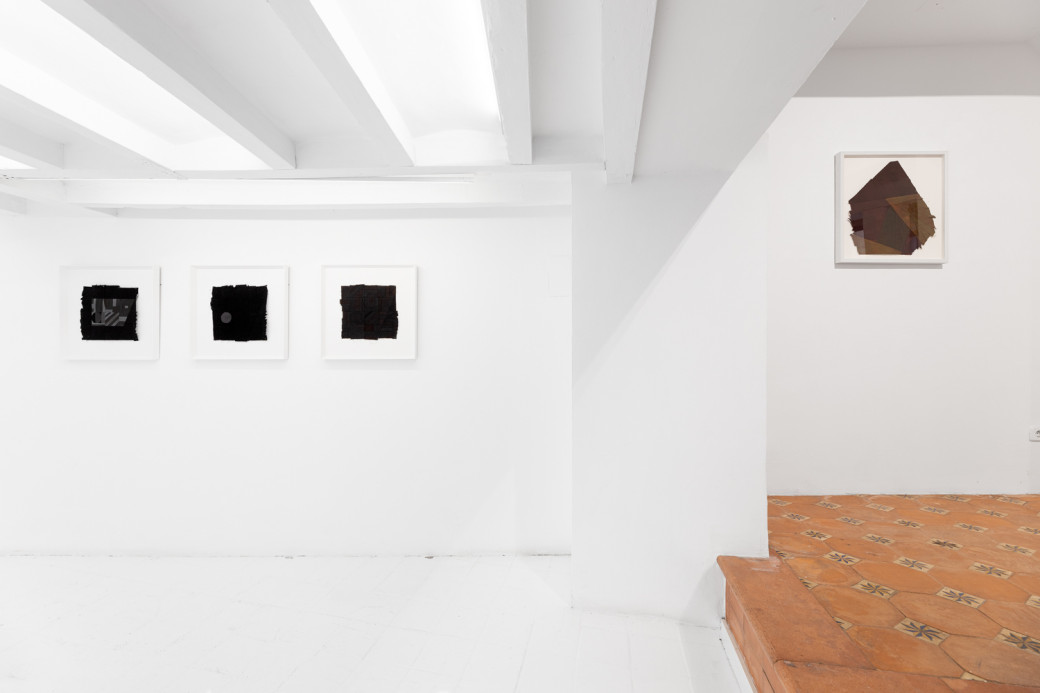
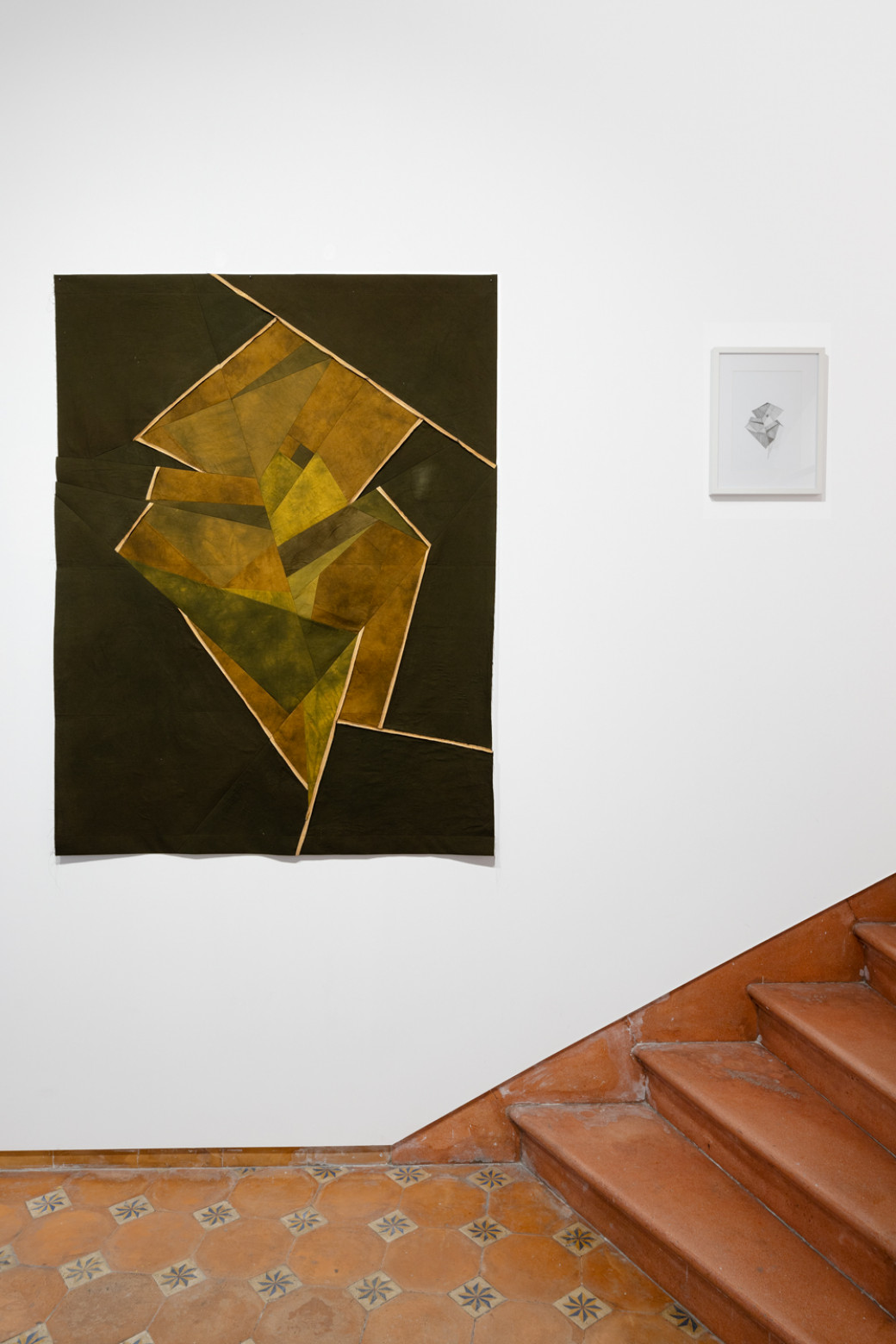
For her most recent work, Yanelis started to explore the use of self dyed textiles instead of existing materials. These “monochromes" are everything but monochrome. They are almost ‘living’ patterns that, even though constructed from material dyed in the same colour bath, carry within themselves a universe of different shades and shapes. In small, big, or even huge size, Yanelis’ exhaustive study of colour and her complex and sensitive patterns using the full potential of abstract language, give each textile a very distinct and powerful character of its own.
X